
special education needs 2026
In today’s evolving education system, understanding special educational needs 2026 has become more important than ever. Firstly, education is no longer limited to a one-size-fits-all approach, as every student has unique learning abilities and challenges. Moreover, with the rise of inclusive education, schools and institutions are placing greater emphasis on identifying and supporting students who require additional learning support. Therefore, recognizing these needs early helps improve academic performance, emotional well-being, and overall development.
To begin with, special educational needs refer to conditions where a student faces learning difficulties or disabilities that make it harder to learn compared to others of the same age group. Furthermore, these challenges may affect reading, writing, communication, concentration, or physical abilities. As a result, students may require specialized teaching methods, assistive tools, or personalized learning plans. In addition, these needs can be temporary or long-term, depending on the individual situation. Consequently, understanding these differences allows educators and parents to provide the right support at the right time.
When we explore the types of special educational needs, it becomes clear that they are diverse and require different approaches. Firstly, learning difficulties such as dyslexia, dyscalculia, and dysgraphia affect how students process information. Secondly, communication and interaction needs include conditions like autism spectrum disorder and speech difficulties. Thirdly, emotional and behavioral challenges such as anxiety or ADHD can influence concentration and classroom behavior. Finally, physical and sensory needs, including hearing or visual impairments, require assistive technologies and accessible environments.
Types of Special Educational Needs (Quick Overview)
| Type | Description |
|---|---|
| Learning Difficulties | Issues with reading, writing, or numbers |
| Communication Needs | Difficulty in speech and interaction |
| Emotional & Behavioral Needs | Challenges like anxiety or ADHD |
| Physical & Sensory Needs | Hearing, vision, or mobility impairments |
Now, many people often ask:
What are the key facts of special education needs 2026?
Firstly, one of the key facts of special education needs is that every student learns differently, and individualized support is essential. Secondly, early identification plays a major role in improving outcomes. Moreover, inclusive education benefits all students by promoting empathy and collaboration. Additionally, proper support helps build confidence and independence. Therefore, understanding these key facts ensures better learning environments.
Another important question is:
What are SEND key facts 2026?
In 2026, the SEND Key facts 2026 highlight the growing importance of inclusive education worldwide. Firstly, schools are adopting advanced technologies to support diverse learners. Secondly, personalized learning plans are becoming more common. Moreover, teacher training programs are improving to address varied classroom needs. As a result, students with special educational needs are receiving better opportunities to succeed.
Furthermore, many students and professionals are now exploring a Special education needs course to better understand how to support learners effectively. At this stage, institutions like Bradford International Alliance play an important role by guiding students toward the right educational pathways and professional development opportunities in the field of inclusive education. Therefore, choosing the right support and training platform can significantly improve knowledge and career prospects.
In addition, supporting these needs brings several benefits. Firstly, students perform better academically when they receive proper guidance. Secondly, they develop stronger confidence and self-esteem. Moreover, inclusive classrooms promote teamwork, understanding, and social growth. Consequently, both individuals and society benefit from a more supportive education system.
At the same time, modern approaches in special educational needs 2026 have transformed how support is delivered. Firstly, technology such as assistive apps and digital tools helps students overcome challenges. Secondly, personalized learning methods ensure that each student progresses at their own pace. Moreover, inclusive policies are being implemented across schools globally. Therefore, education systems are becoming more adaptable and effective.
However, some challenges still remain. For instance, lack of awareness in certain areas can limit proper support. Additionally, limited resources and trained professionals may affect implementation. Moreover, social stigma can sometimes create barriers for students. Therefore, continuous improvement in awareness, training, and infrastructure is necessary.
Another frequently asked question is:
How can special educational needs be supported effectively?
Firstly, early identification is essential for success. Secondly, personalized learning plans should be developed based on individual needs. Moreover, technology should be integrated into teaching methods. Additionally, teachers should receive continuous training to handle diverse classrooms. Finally, collaboration between parents and schools ensures consistent support. As a result, students receive a well-rounded and effective learning experience.
Looking ahead, the future of special education is promising. With increasing awareness and technological advancements, support systems are becoming more efficient. Moreover, governments and institutions are investing more in inclusive education. Therefore, students with diverse needs will have greater opportunities to succeed in both education and careers.
In conclusion, understanding special educational needs 2026 is essential for building an inclusive and effective education system. Moreover, learning the key facts of special education needs and staying updated with SEND Key facts 2026 helps improve support strategies. Additionally, pursuing a Special education needs course can further enhance knowledge and skills in this field. Ultimately, every student deserves equal opportunities to learn, grow, and succeed, and supporting special educational needs plays a crucial role in achieving that goal.
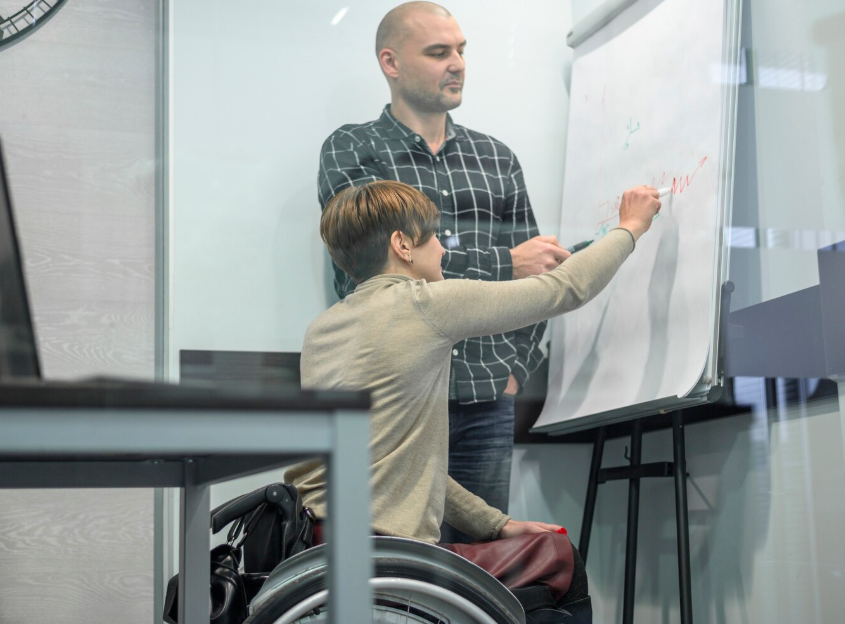
In today’s evolving education system, understanding special educational needs 2026 has become more important than ever. Firstly, education is no longer limited to a one-size-fits-all approach, as every student has unique learning abilities and challenges. Moreover, with the rise of inclusive education, schools and institutions are placing greater emphasis on identifying and supporting students who require additional learning support. Therefore, recognizing these needs early helps improve academic performance, emotional well-being, and overall development.
To begin with, special educational needs refer to conditions where a student faces learning difficulties or disabilities that make it harder to learn compared to others of the same age group. Furthermore, these challenges may affect reading, writing, communication, concentration, or physical abilities. As a result, students may require specialized teaching methods, assistive tools, or personalized learning plans. In addition, these needs can be temporary or long-term, depending on the individual situation. Consequently, understanding these differences allows educators and parents to provide the right support at the right time.
When we explore the types of special educational needs, it becomes clear that they are diverse and require different approaches. Firstly, learning difficulties such as dyslexia, dyscalculia, and dysgraphia affect how students process information. Secondly, communication and interaction needs include conditions like autism spectrum disorder and speech difficulties. Thirdly, emotional and behavioral challenges such as anxiety or ADHD can influence concentration and classroom behavior. Finally, physical and sensory needs, including hearing or visual impairments, require assistive technologies and accessible environments.
Types of Special Educational Needs (Quick Overview)
| Type | Description |
|---|---|
| Learning Difficulties | Issues with reading, writing, or numbers |
| Communication Needs | Difficulty in speech and interaction |
| Emotional & Behavioral Needs | Challenges like anxiety or ADHD |
| Physical & Sensory Needs | Hearing, vision, or mobility impairments |
Now, many people often ask:
What are the key facts of special education needs?
Firstly, one of the key facts of special education needs is that every student learns differently, and individualized support is essential. Secondly, early identification plays a major role in improving outcomes. Moreover, inclusive education benefits all students by promoting empathy and collaboration. Additionally, proper support helps build confidence and independence. Therefore, understanding these key facts ensures better learning environments.
Another important question is:
What are SEND key facts 2026?
In 2026, the SEND Key facts 2026 highlight the growing importance of inclusive education worldwide. Firstly, schools are adopting advanced technologies to support diverse learners. Secondly, personalized learning plans are becoming more common. Moreover, teacher training programs are improving to address varied classroom needs. As a result, students with special educational needs are receiving better opportunities to succeed.
Furthermore, many students and professionals are now exploring a Special education needs course to better understand how to support learners effectively. At this stage, institutions like Bradford International Alliance play an important role by guiding students toward the right educational pathways and professional development opportunities in the field of inclusive education. Therefore, choosing the right support and training platform can significantly improve knowledge and career prospects.
In addition, supporting these needs brings several benefits. Firstly, students perform better academically when they receive proper guidance. Secondly, they develop stronger confidence and self-esteem. Moreover, inclusive classrooms promote teamwork, understanding, and social growth. Consequently, both individuals and society benefit from a more supportive education system.
At the same time, modern approaches in special educational needs 2026 have transformed how support is delivered. Firstly, technology such as assistive apps and digital tools helps students overcome challenges. Secondly, personalized learning methods ensure that each student progresses at their own pace. Moreover, inclusive policies are being implemented across schools globally. Therefore, education systems are becoming more adaptable and effective.
However, some challenges still remain. For instance, lack of awareness in certain areas can limit proper support. Additionally, limited resources and trained professionals may affect implementation. Moreover, social stigma can sometimes create barriers for students. Therefore, continuous improvement in awareness, training, and infrastructure is necessary.
Another frequently asked question is:
How can special educational needs be supported effectively?
Firstly, early identification is essential for success. Secondly, personalized learning plans should be developed based on individual needs. Moreover, technology should be integrated into teaching methods. Additionally, teachers should receive continuous training to handle diverse classrooms. Finally, collaboration between parents and schools ensures consistent support. As a result, students receive a well-rounded and effective learning experience.
Looking ahead, the future of special education is promising. With increasing awareness and technological advancements, support systems are becoming more efficient. Moreover, governments and institutions are investing more in inclusive education. Therefore, students with diverse needs will have greater opportunities to succeed in both education and careers.
In conclusion, understanding special educational needs 2026 is essential for building an inclusive and effective education system. Moreover, learning the key facts of special education needs and staying updated with SEND Key facts 2026 helps improve support strategies. Additionally, pursuing a Special education needs course can further enhance knowledge and skills in this field. Ultimately, every student deserves equal opportunities to learn, grow, and succeed, and supporting special educational needs plays a crucial role in achieving that goal.